
By Dan Firda, CEO, Brands by Integra
“Is the housing market slowing down?”
It’s a reasonable question. But as the CEO of a real estate company serving communities across multiple states, I believe the most useful answer begins with another question, Which market and which part of it?
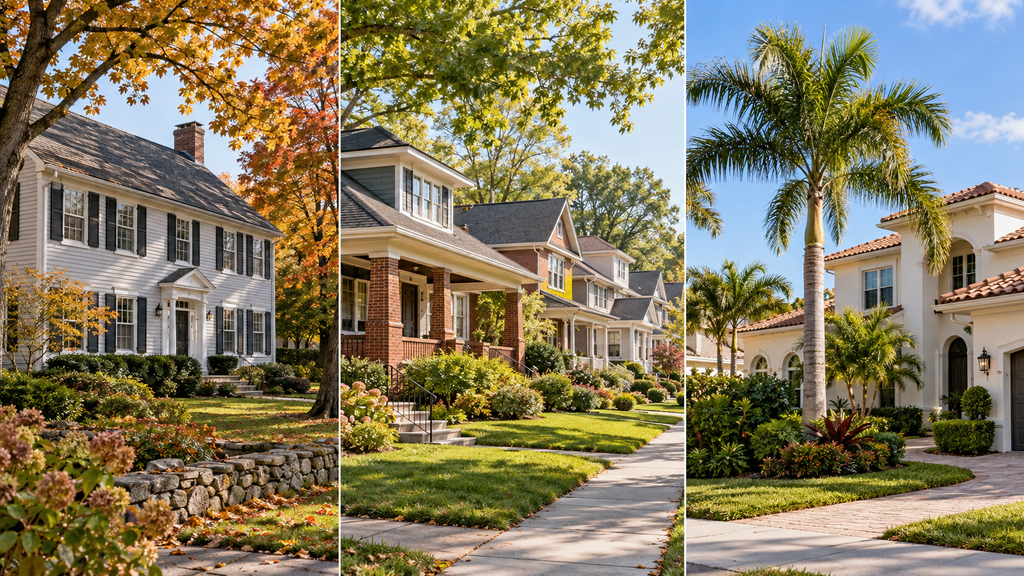
A national headline can describe the direction of the industry. It cannot tell a family how much competition they will face for a home or help a seller understand what buyers will pay on their street.
That distinction matters today.
In September, the National Association of REALTORS® reported that the median existing-home sale price increased 1.3% nationally compared with a year earlier. Within that figure, however, the Northeast increased 4.7%, the Midwest rose 3.1%, and the South gained just 0.2%. Those regional medians describe different conditions, and none measures the change in value of an individual home.
For consumers, the implication is straightforward: a sound decision requires evidence closer to home.
Consider the contrast in September’s listing data. Realtor.com reported that median asking prices per square foot increased 8.4% year over year in Providence and 3.6% in Hartford, while declining 8.4% in Austin and 6.0% in Tampa. These are asking-price measures, rather than closed-sale results, but they illustrate why one national description can miss important local differences.
The Midwest offers another perspective. Kenosha, Wisconsin; Rockford, Illinois; and Lancaster, Pennsylvania, all ranked among Realtor.com’s five hottest markets in September. That ranking reflects listing views and the pace of the market. It is a reminder that consumer interest can remain concentrated in particular communities even when the broader housing conversation feels cautious.
Even familiar regional labels have limits. In North Carolina, new listings increased 7.6% year over year in Raleigh while declining 7.5% in Charlotte. Two markets in the same state were seeing different changes in the flow of homes coming to market.
My interpretation is that consumers need to look beyond whether a market is broadly described as “hot” or “cool.” They need to understand their alternatives.
For a buyer, that means asking how many comparable homes are available within my budget? How quickly are they going under contract? Are sellers negotiating on price, repairs, or closing costs?
For a seller, it means understanding what a buyer can choose instead. A nearby listing, a newly built home, or a property in a neighboring community may matter more to your pricing strategy than last month’s national average.
The same principle applies within a neighborhood. A condominium, a starter home, and a larger property can attract different buyers with different financial constraints. Their markets may move at different speeds.
This is where I believe real estate leadership carries a responsibility. We should make the information easier to understand and connect it to the decisions people actually face. We should also be clear about what the data can and cannot tell us.
For our agents, that means bringing context to every conversation: relevant comparisons, current competition, and a clear explanation of the choices available. For consumers, it means expecting advice grounded in the market where they intend to buy or sell.
I’ll continue using this space to examine the forces shaping housing and explain how their implications differ across the communities we serve.
If this perspective helped you think differently about your local market, share it with someone considering a move and follow along for future commentary. A better understanding of the market begins with asking more precise questions.